Best time to visit: month-by-month guide for Copenhagen
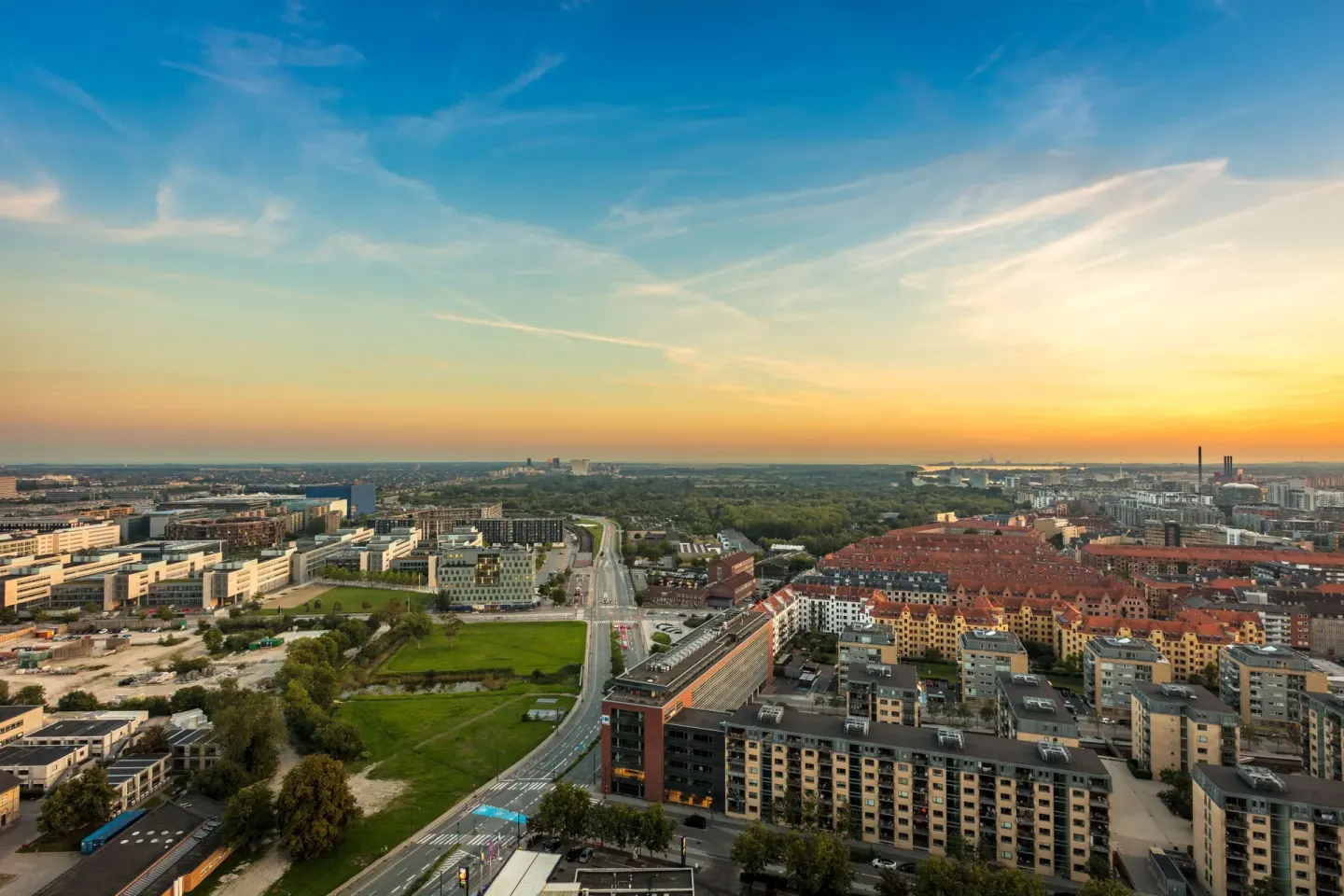
Best time depends on what you want: visit June–August for the warmest weather, longest daylight and full attraction hours, or pick May and September for milder weather with fewer crowds. If you want the lowest prices and quiet streets, travel in January–February, but expect short daylight and cold temperatures.
In this guide
- Overview: what to expect year-round
- January–February: cheapest, quietest (winter)
- March–April: early spring, improving daylight
- May: shoulder-month sweet spot
- June–August: summer peak — warmest and busiest
- September–October: autumn shoulder and quieter fall
- November–December: festive season and holiday markets
Overview: what to expect year-round
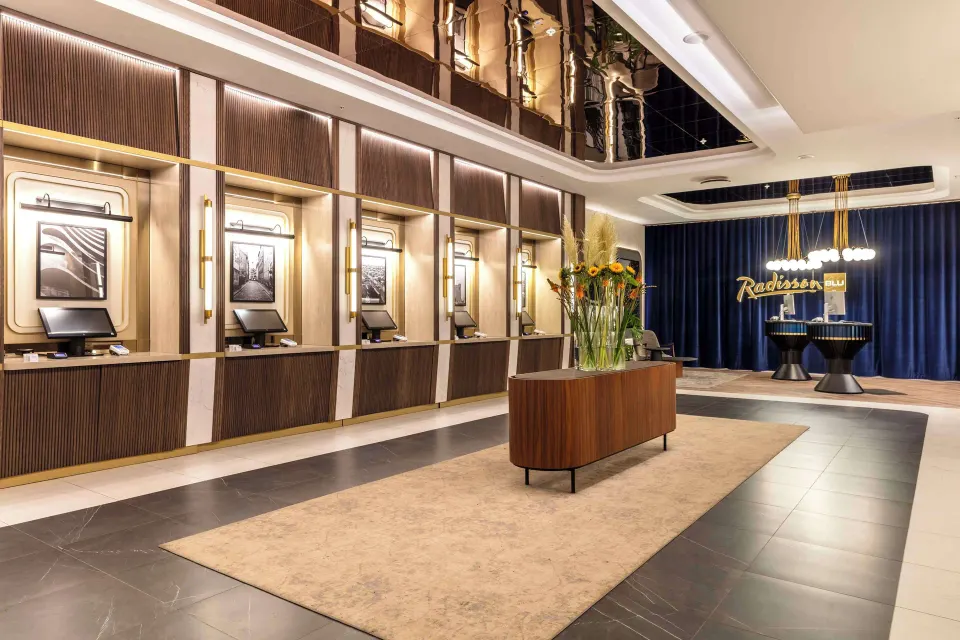
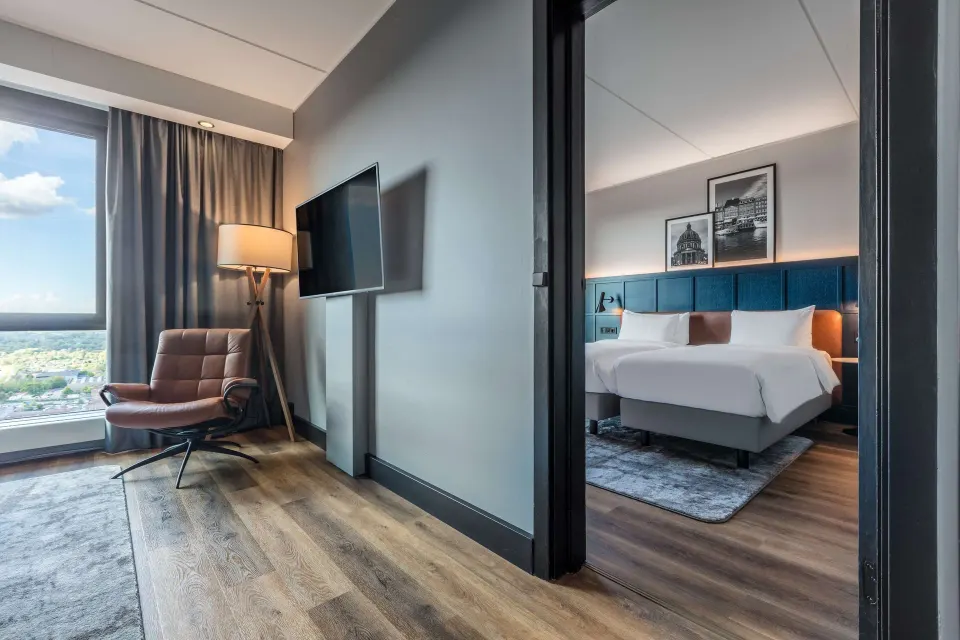
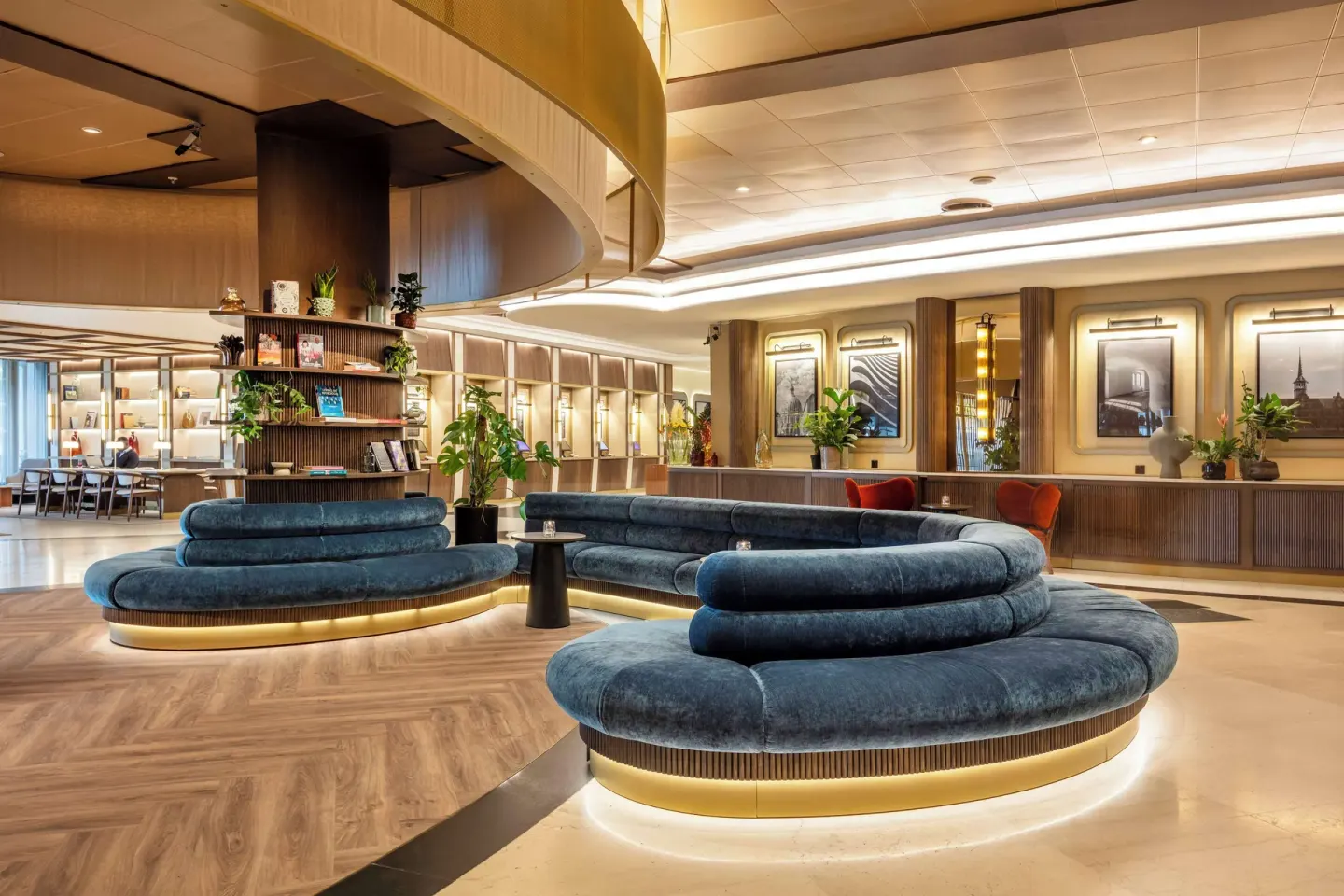
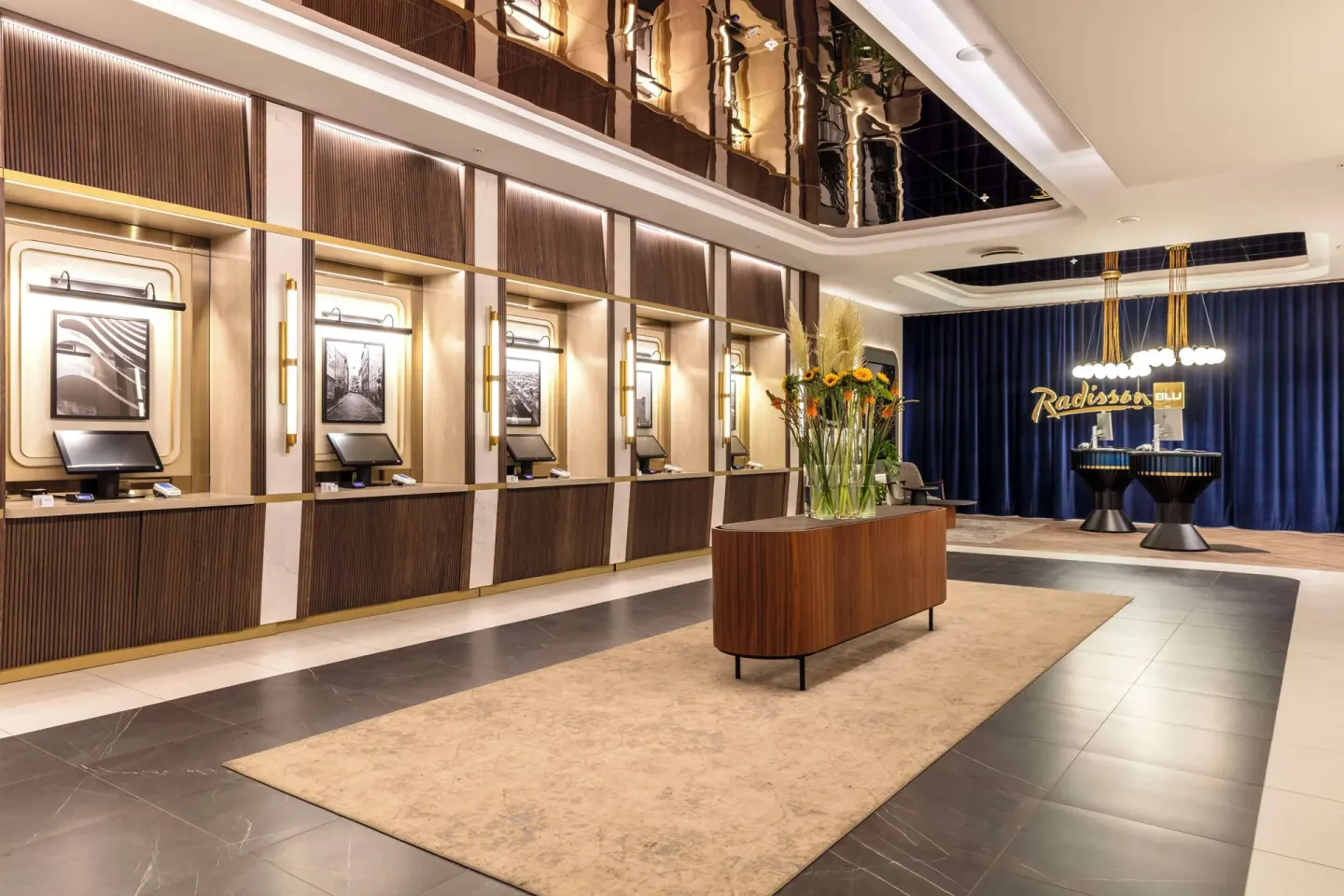
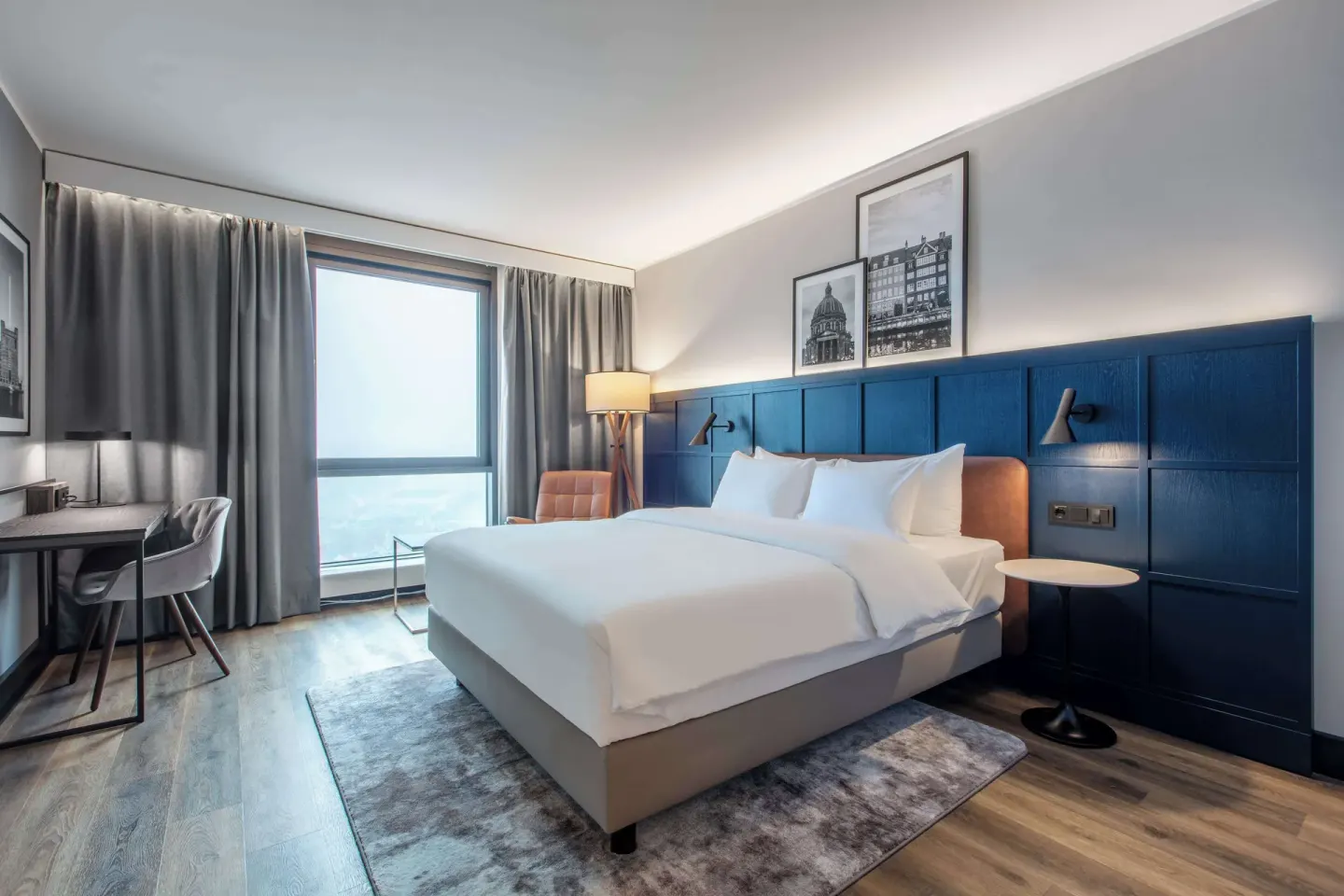
Radisson Blu Scandinavia Hotel, Copenhagen sits on Amager Boulevard beside the Stadsgraven Canal with easy access to Islands Brygge Metro and central sights such as Tivoli Gardens and City Hall Square. The hotel operates year-round; room types include Standard Room (Net Zero, City or lake view), Family Room (Net Zero), Junior Suite (Net Zero, Panoramic View), Premium Room, Lake View (Net Zero, Skyline), Superior Room (Net Zero, Panoramic View), Suite, 1 Bedroom, Lake View (Net Zero, Panoramic) and Room (Net Zero, Individual).
Copenhagen’s weather is seasonal: a short warm season runs from early June to mid-September, while late November through March is noticeably colder and darker. The hotel has no on-site swimming pool, offers a 24-hour Sporting Health Club Scandinavia, and houses Casino Copenhagen on the property.
- Hotel check-in: 3:00 PM; check-out: 12:00 PM (noon).
- Breakfast is available for an extra charge (not automatically included).
- On-site dining includes The Lounge Bar & Restaurant, Filini (Italian) and Blue Elephant (Thai).
| Feature | Notes |
|---|---|
| Fitness | Sporting Health Club Scandinavia — 24-hour access (staffed 6:45 AM–8:30 PM) |
| Parking & EV | On-site paid parking with EV charging |
| Family policy | Children welcome; family rooms and cots available |
January–February: cheapest, quietest (winter)
These are the quietest and most budget-friendly months to visit Copenhagen. Hotel rates tend to be lowest, many attractions are less crowded, and you can expect short daylight hours and cold temperatures (average highs often near or below about 43°F / 6°C).
If you stay now, bring warm layers and expect some wetter days. Many restaurants and museums remain open, and Tivoli Gardens runs a Christmas/holiday season until early January; after that, evenings are quiet and well suited to indoor dining and museums.
- Pros: lowest hotel rates, thin crowds at major museums and sights.
- Cons: short daylight, cold weather, some outdoor attractions or seasonal services reduced.
- Good for: museum visits, conference travel, indoor dining at Filini or Blue Elephant.
| Plan | Tip |
|---|---|
| Packing | Warm coat, hat, waterproof shoes |
| Hotel use | Use 24-hour Sporting Health Club Scandinavia for indoor exercise (note under-18 restrictions) |
| Transport | Islands Brygge Metro an easy walk for city connections |
March–April: early spring, improving daylight
Temperatures start to rise and daylight increases in March and April. Weather can be changeable — some mild days mixed with cool, wet periods — but you’ll see the city wake up from winter with cafés and outdoor seating beginning to reopen.
This is a good time for sightseeing without summer crowds; Tivoli and other attractions tend to be less busy than in high summer, while shops and restaurants resume fuller seasonal hours.
- Pros: longer daylight than winter, fewer crowds than summer.
- Cons: variable weather — bring a light waterproof layer.
- Good for: cycling around the canal areas, short day trips to nearby museums.
| Month | Weather character |
|---|---|
| March | Cool, mixed sun and rain |
| April | Milder, spring blooms, variable showers |
May: shoulder-month sweet spot
May is widely recommended as a shoulder month: temperatures are often mild (around 15–18°C some days), daylight is long enough for full sightseeing days, and crowds and prices are lower than in July. Many day-trip options such as Roskilde or the Louisiana Museum are pleasant this month.
Hotel facilities and the on-site restaurants (The Lounge Bar & Restaurant, Filini and Blue Elephant) typically operate normal hours, and outdoor places around Islands Brygge begin to fill with locals enjoying the waterfront.
- Pros: mild weather, fewer crowds than peak summer, good public transport connections.
- Cons: occasional rain; some summer-only events may not yet be running.
- Good for: walking tours, cycling to Amager Strandpark, relaxed city sightseeing.
| Why pick May | Who it suits |
|---|---|
| Mild weather + lower prices | Couples, families avoiding peak crowds |
| Longer daylight | Sightseers and day-trippers |
June–August: summer peak — warmest and busiest
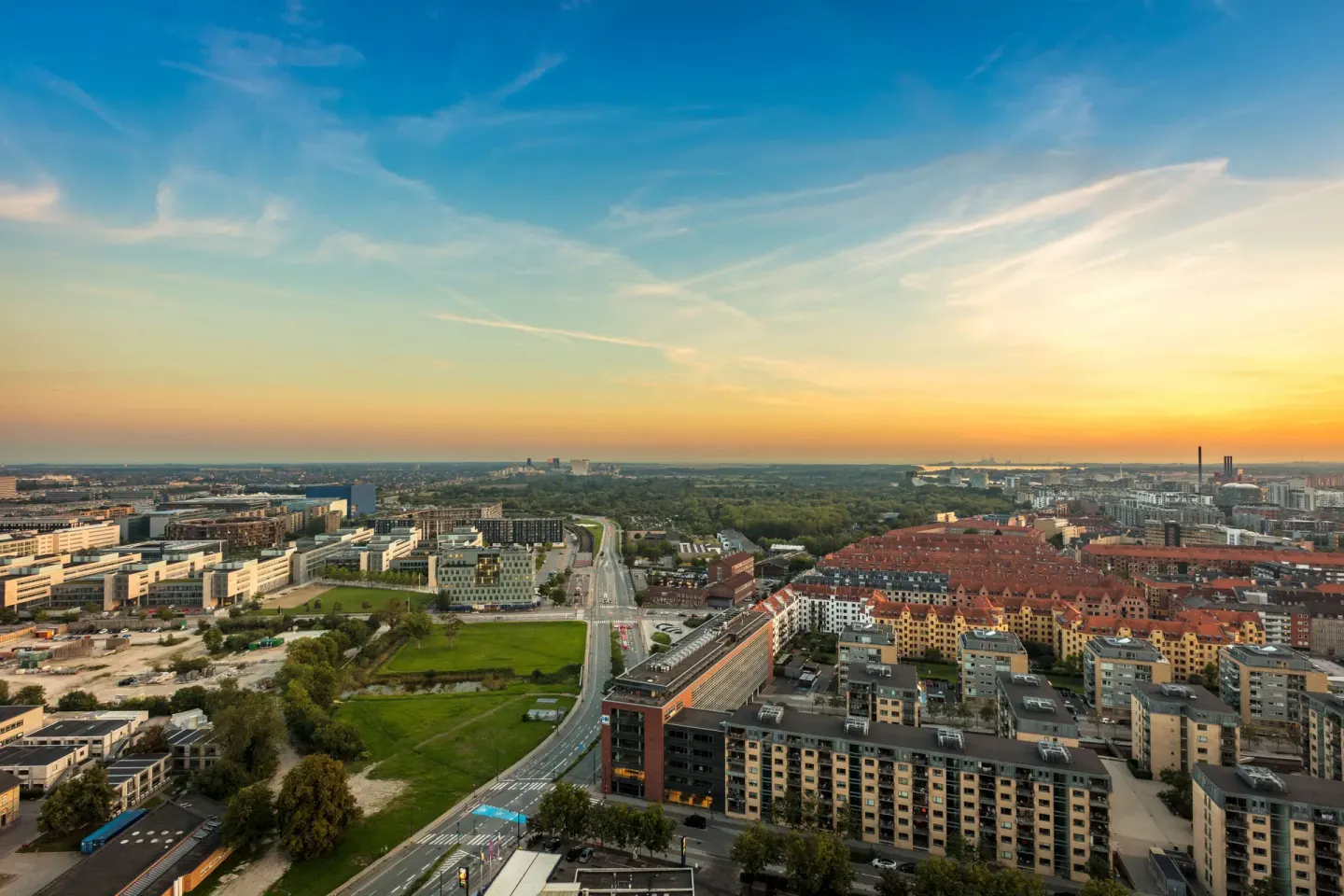
June through August is Copenhagen’s warm season with the highest temperatures and the longest daylight (late June can reach about 17.5 hours of daylight). This is when most outdoor attractions, harbour baths and beach activities are most appealing.
Expect full restaurant hours, busy tourist sites and higher hotel rates. If you need a specific room type — for example, Suite, 1 Bedroom, Lake View (Net Zero, Panoramic) or Premium Room, Lake View (Net Zero, Skyline) — book early for the best availability.
- Pros: best weather for outdoor activities, longest daylight, full event schedules.
- Cons: largest crowds and highest prices; book restaurants and rooms early.
- Good for: harbour swimming at Islands Brygge Harbour Bath, beach trips to Amager Strandpark, rooftop and panoramic dining (Top of Town/The View).
| Activity | Best month(s) |
|---|---|
| Outdoor swimming / harbour baths | June–August |
| Full-day sightseeing / bike tours | June–August |
| Long daylight photography | Late June |
September–October: autumn shoulder and quieter fall
September mirrors May as a strong shoulder period: temperatures are usually mild, crowds thin compared with summer, and the city takes on autumn colors. October brings cooler weather and more rainy days but is quieter for museum visits and the hotel’s conference facilities.
If you’re attending a meeting or event, the hotel’s meeting spaces (including the Scandinavian Ballroom and Capital Ballroom) remain in full use through the fall. September is also a good month for day trips to Malmö or coastal outings before it gets cold.
- Pros: fewer tourists than summer, comfortable sightseeing weather in early September.
- Cons: increasing rain and cooler nights into October.
- Good for: city walks, cultural visits, conferences.
| Month | Best for |
|---|---|
| September | Outdoor cafés, late-season swimming possible |
| October | Indoors museums and dining |
November–December: festive season and holiday markets
Mid-November through early January is the period for Christmas markets and Tivoli’s holiday season; the city is decorated and many travelers plan winter breaks in this period. Days are short and cold, but evenings feel festive in central Copenhagen.
If the holiday atmosphere is your draw, plan and book early for The Lounge Bar & Restaurant or special dining experiences (Top of Town / The View / Blue Elephant) on peak nights. Note that December is colder and wetter than shoulder months.
- Pros: festive decorations, Tivoli’s Christmas market, seasonal menus at restaurants.
- Cons: cold, short daylight, some outdoor attractions limited by weather.
- Good for: holiday markets, indoor cultural attractions, festive dinners.
| Event | When |
|---|---|
| Tivoli Christmas season | Mid-November–early January (seasonal) |
| Hotel dining on holidays | Reserve in advance for holiday evenings |